Overview
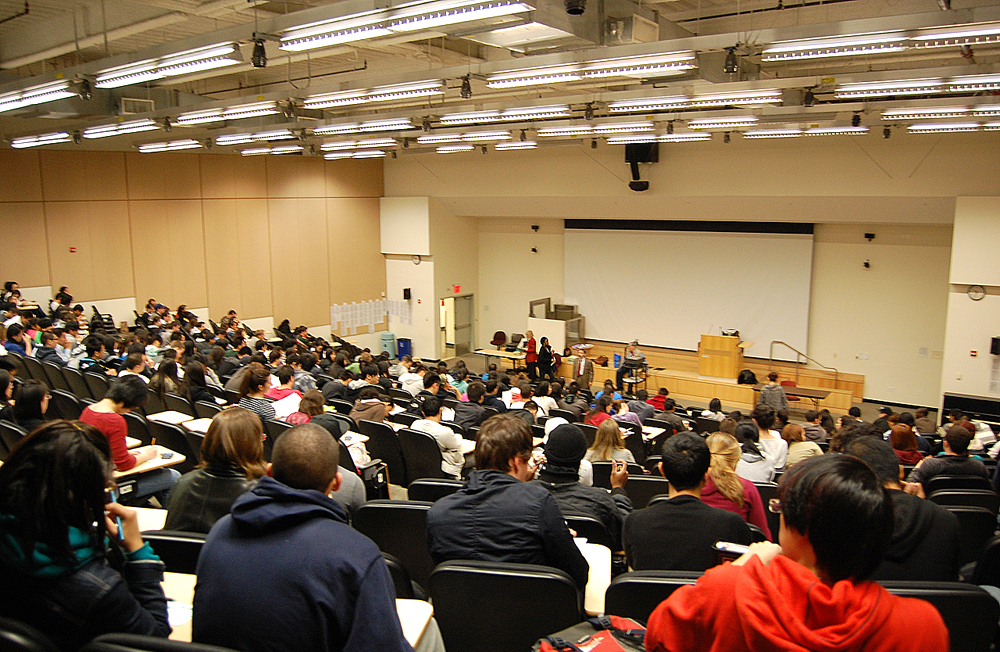
For many Malaysian students, entering a UK lecture theatre for the first time can be a surprising experience. The British academic system places a high value on hierarchy-free discussion, critical questioning, and independent thought. Understanding these unwritten rules and expectations will help you transition smoothly and succeed in your studies.
The Relationship Between Students and Lecturers
In Malaysia, the relationship between students and teachers is often formal and hierarchical. In the UK, while respect is maintained, the atmosphere is generally more relaxed and egalitarian.
- Naming Conventions: Many lecturers and professors prefer to be addressed by their first names rather than by titles like "Professor" or "Doctor." It is best to observe how they introduce themselves or check their email signatures.
- Approachable Authority: Lecturers view themselves as facilitators of learning rather than the sole source of knowledge. They encourage students to approach them during office hours or after class to discuss academic interests or clarify complex points.
- Office Hours: These are dedicated times when staff are available in their offices for drop-in sessions. Making use of these shows initiative and helps build a professional rapport.
Active Participation in Seminars
A typical UK degree consists of large lectures and smaller "seminars" or "tutorials." While lectures are for information delivery, seminars are for discussion. Your participation in these smaller groups is often a key part of your learning and, in some cases, your grade.
- Speaking Up: You are expected to contribute your opinions and engage in debates. Silence is often interpreted as a lack of preparation or interest rather than a sign of respect.
- Constructive Disagreement: It is perfectly acceptable?and often encouraged?to politely disagree with your lecturer or your peers. The goal is to back up your arguments with evidence and logic.
- Asking Questions: If you do not understand a point, it is common to ask for clarification immediately. This is seen as a sign of an active and engaged mind.
Critical Thinking and Independent Learning
The UK academic system prioritises "how to think" over "what to think." This shift in focus is often the biggest adjustment for international students.
- Critical Analysis: When writing essays or participating in discussions, simply memorising and repeating facts is not enough. You must evaluate your sources, identify biases, and present a balanced argument.
- The "Reading List": Lecturers will provide a list of core and recommended readings. You are expected to read beyond the core texts independently to gain a broader perspective on the subject.
- Self-Directed Study: For every hour spent in a classroom, you are expected to spend several hours in independent study. This includes researching in the library, writing drafts, and preparing for the next seminar.
Punctuality and Professionalism
While the social atmosphere may be relaxed, the expectations regarding time and deadlines are very strict.
- Punctuality: Being late to a lecture or seminar is considered disruptive and disrespectful to the speaker and your fellow students. If you are late, enter quietly and take the nearest available seat.
- Hard Deadlines: Assignment deadlines are non-negotiable. Submitting work even a few minutes late can result in a significant penalty or a mark of zero unless you have an approved "Extenuating Circumstances" claim.
- Email Etiquette: When emailing staff, keep it professional. Use a clear subject line, include your student ID number, and use a formal greeting and closing.
Academic Integrity
Academic honesty is a cornerstone of the UK education system. Universities use sophisticated software to check for plagiarism in every submission.
- Referencing: Every time you use someone else's idea, image, or data, you must credit them using the specific referencing style required by your department.
- Collusion: While studying with friends is encouraged, the work you submit must be entirely your own. Submitting work that is too similar to a classmate's is considered a serious offence.
- Originality: The focus should always be on your unique voice and how you have synthesised various pieces of information to form your own conclusion.
Adapting to these expectations takes time. Do not be discouraged if it feels unfamiliar at first; by engaging with the process and using the support resources available, you will soon find your footing in the British academic environment.