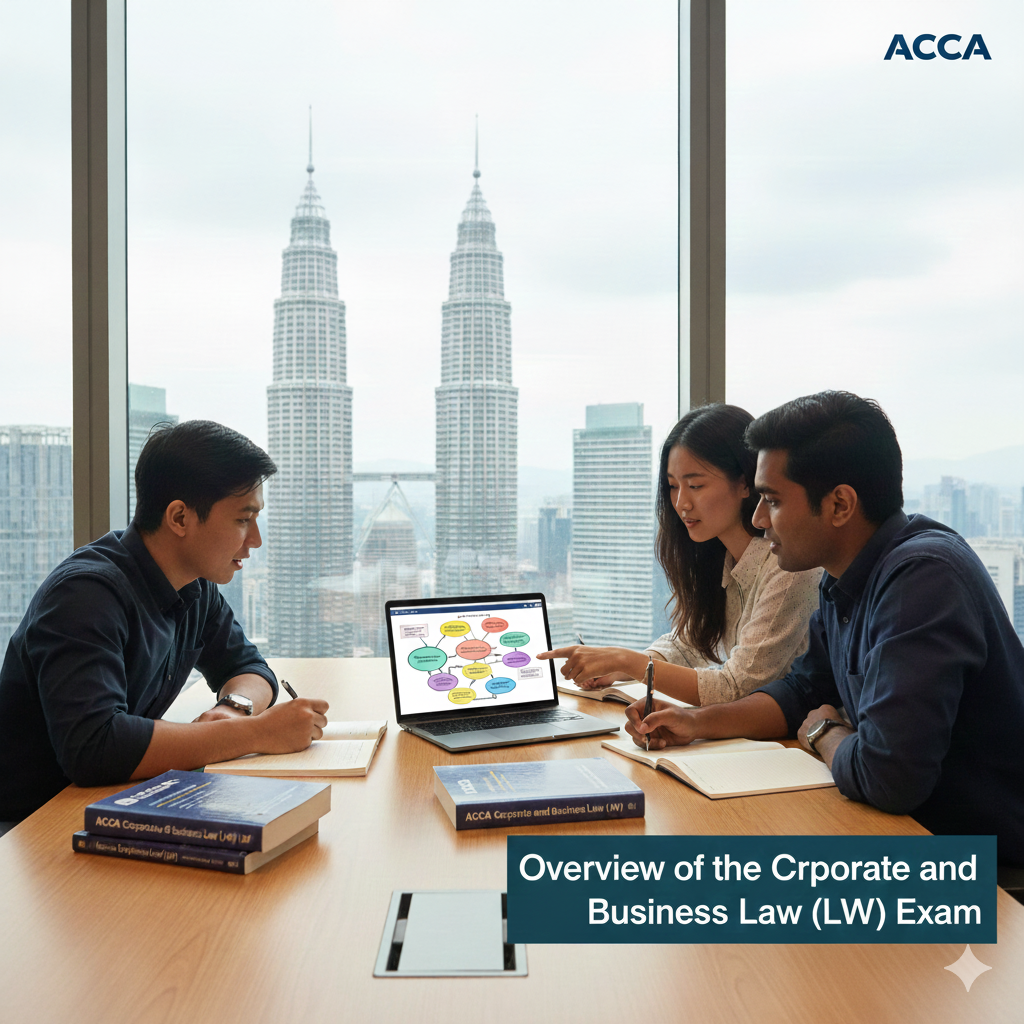
The ACCA Corporate and Business Law (LW) exam?formerly known as F4?is the first paper in the Applied Skills level. It is designed to develop your understanding of the general legal framework and specific legal areas relevant to the accounting profession. Unlike many other professional law exams, ACCA LW focuses specifically on business, contract, and company law from the perspective of a finance professional.
Choosing the Right Variant for Your Career
One of the unique features of the ACCA Law exam is the availability of regional variants. This allows you to study the legal system most relevant to where you intend to work. Common choices for Malaysian students include:
- Malaysia (MYS) Variant: Focuses on the Malaysian legal system, including the reception of English Law, the Malaysian court hierarchy, and the Companies Act 2016.
- English (ENG) Variant: Focuses on the English legal system, which is highly relevant given that many Malaysian laws are based on English common law.
- Global (GLO) Variant: Focuses on international legal frameworks, international trade, and the UN Convention on Contracts for the International Sale of Goods (CISG). This is ideal for those planning to work in multinational corporations.
ACCA Law Exam Structure and Format
The ACCA LW exam is unique compared to other Applied Skills papers because it is 100% objective-test based and can be taken as an on-demand Computer-Based Exam (CBE). This means you do not have to wait for the quarterly (March, June, September, December) sessions; you can book and sit for the exam whenever you are ready.
Section Question TypeTotal Marks:
Section A:25 Objective Test Questions (OTQs) worth 2 marks each 20 OTQs worth 1 mark each 70 Marks
Section B:5 Multi-task Questions (MTQs) worth 6 marks each 30 Marks
The exam duration is 2 hours, and the pass mark is 50%.
Core Syllabus Areas (Malaysia Variant)
The Malaysian variant of the Corporate and Business Law syllabus typically covers the following key areas:
- The Malaysian Legal System: Sources of law (Constitution, Legislation, Case Law) and the hierarchy of the Malaysian courts.
- Law of Obligations: The essential elements of a valid contract (offer, acceptance, consideration) and the law of tort, particularly professional negligence.
- Employment Law: Understanding the difference between a contract of service and a contract for services, as well as dismissal and redundancy rules.
- Business Organisations: Comparing sole traders, partnerships, and limited liability partnerships.
- Company Law: Formation, constitution, financing (shares and debentures), and the duties of company directors.
- Insolvency and Corporate Fraud: Legal implications of company liquidation and criminal offences such as insider dealing and money laundering.
Study Tips for Success
While the Law paper does not involve complex calculations, it requires a high level of comprehension and the ability to apply legal rules to short scenarios. To excel in this paper:
- Understand, Don't Just Memorise: Focus on the principles of the law. The exam tests your ability to apply these rules to business situations in Section B.
- Practise MTQs Early: Section B requires you to navigate longer scenarios. Use the ACCA Practice Platform to familiarise yourself with the digital interface.
- Be Careful with Variants: If you are using international study materials but sitting for the Malaysia variant, ensure you are aware of local differences, particularly in company law and the court system.
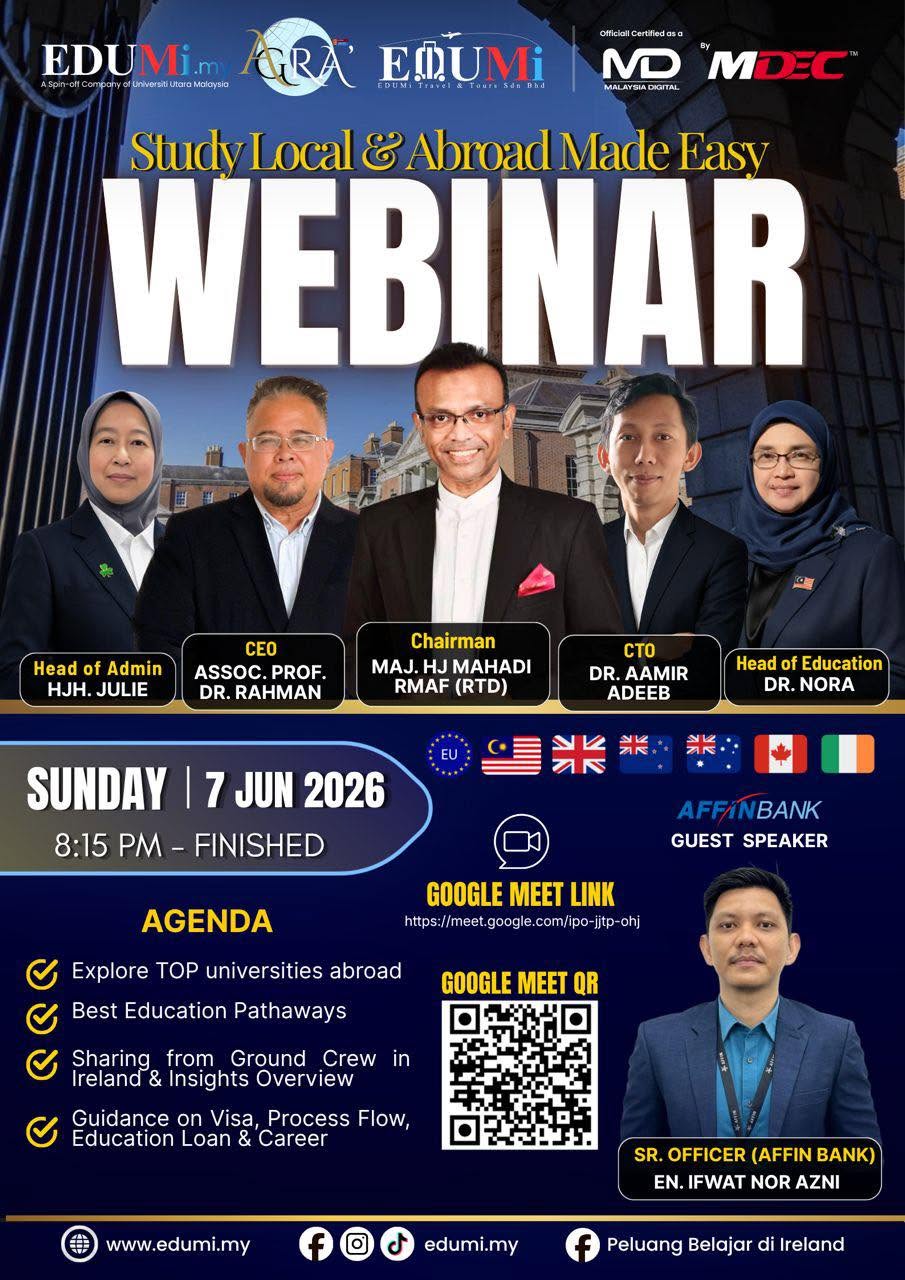
If you are looking for a structured way to complete your ACCA papers, including the Law variant, EDUMi.my and Agra Edu provide dedicated support for Malaysian students. Many students choose to complete their foundational papers in Malaysia before progressing to professional papers in Ireland for international exposure.
For more details on the 2026 intake or specific variant advice, please contact the EDUMi.my advisory team.