Recognition of Qualifications: A Guide for Malaysian Students Studying and Working in Ireland
For Malaysian students, the prospect of studying in Ireland offers a gateway to world-class education and significant career opportunities within the European Union. However, a common concern is how Malaysian qualifications align with the Irish system and whether an Irish degree will be recognised back home or globally. Understanding the relationship between the Malaysian Qualifications Agency (MQA) and Ireland Quality and Qualifications Ireland (QQI) is essential for a smooth academic and professional transition.
Understanding the Alignment: MQF vs. NFQ
The primary reference points for qualification levels are the Malaysian Qualifications Framework (MQF) and Ireland National Framework of Qualifications (NFQ). Both systems are designed to ensure transparency and quality assurance, making it easier for students to progress between levels of study.
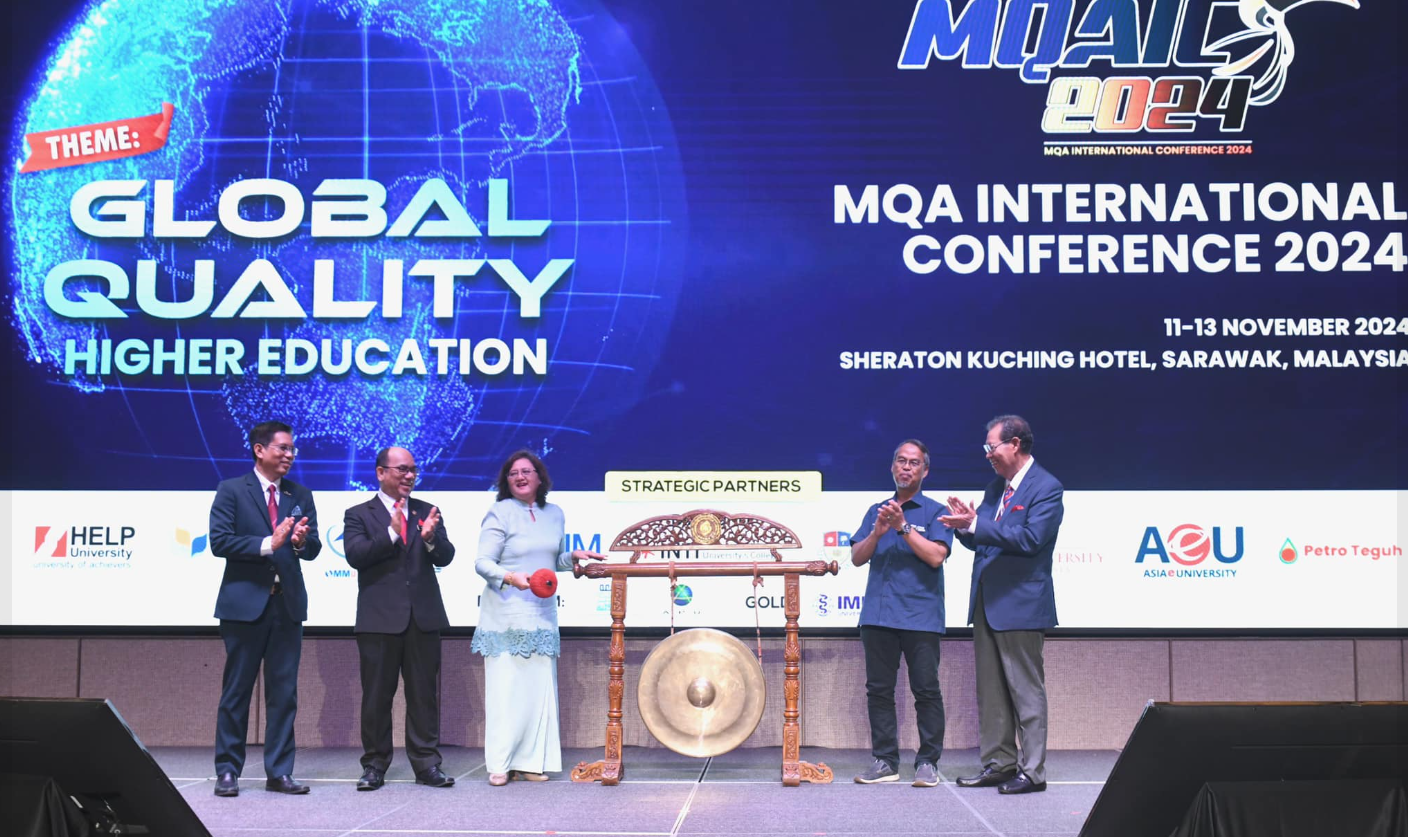
In 2024, MQA and QQI signed a Memorandum of Understanding (MoU) to strengthen cooperation in quality assurance and facilitate the mutual recognition of qualifications. This agreement provides a formal basis for comparing the levels of challenge and learning outcomes between the two countries.
Progression Opportunities and Academic Pathways
Malaysian students often choose Ireland for its flexible progression routes. EDUMi.my advises students to verify their specific programme on the Irish Register of Qualifications to ensure it is QQI-validated. This validation is a mark of quality that ensures the qualification is recognised by employers and other educational institutions across Europe.
- Credit Transfer: Students with a Malaysian Diploma may be eligible for advanced standing or credit transfers into the second or third year of an Irish Bachelor's degree.
- Postgraduate Entry: A recognised Malaysian Banchelor degree (MQF Level 6) is the standard requirement for entry into a Master's programme (NFQ Level 9) in Ireland.
- Professional Recognition: For regulated professions such as medicine, engineering, or accounting, students should check with the relevant professional bodies in both Malaysia and Ireland to ensure their pathway meets specific licensing requirements.
Employability and Post-Study Work Rights
A significant advantage of studying in Ireland is the Third Level Graduate Programme, often referred to as the Stamp 1G visa. This allows non-EU graduates to remain in Ireland to seek employment after their studies.
Stay-Back Options for 2026
- NFQ Level 8 (Bachelor): Graduates are eligible for a 12-month stay-back permit.
- NFQ Level 9 & 10 (Master & PhD): Graduates are eligible for a 24-month stay-back permit.
During this period, graduates can work full-time (up to 40 hours per week) without a separate work permit. This provides an excellent opportunity to gain international work experience with global companies, many of which have their European headquarters in Dublin, such as Google, Meta, and Pfizer.
Practical Steps for Malaysian Students
To ensure your qualifications are handled correctly for study or work in Ireland, consider the following checklist:
- Use NARIC Ireland: The National Academic Recognition Information Centre (NARIC) provides free comparability statements that explain how your Malaysian qualification compares to the Irish NFQ.
- Check the ILEP: Ensure your chosen course in Ireland is listed on the Interim List of Eligible Programmes (ILEP) to be eligible for a student visa and post-study work rights.
- Document Verification: Keep original transcripts and graduation certificates ready. If you are applying for a work permit later, you may need these verified by the awarding body or the MQA.
- Monitor Salary Thresholds: For those transitioning from a graduate visa to a Critical Skills Employment Permit in 2026, be aware of the updated salary thresholds, which are approximately for eligible graduates in specific roles.
By choosing a pathway aligned with both MQA and QQI standards, Malaysian students can confidently pursue their education in Ireland, knowing their hard-earned qualifications will serve as a solid foundation for a global career.
Would you like me to provide a more detailed list of the Critical Skills occupations currently in high demand in Ireland for 2026?