For Malaysian students, moving to a new country for university is an exciting milestone, but it also requires a proactive approach to personal well being. Staying safe and healthy involves more than just knowing where the nearest clinic is; it requires understanding local laws, navigating healthcare systems like the NHS in the UK or OSHC in Australia, and managing your mental health. This guide provides essential tips to ensure your international education remains a positive experience.
Navigating Healthcare Systems Abroad
Every country has its own rules for international student health coverage. Failing to understand these can lead to expensive medical bills or issues with your visa compliance.
- The UK and Ireland: If you are studying in the UK for more than six months, you must pay the Immigration Health Surcharge (IHS) as part of your visa application. This grants you access to the National Health Service (NHS). In 2025, the IHS for students is ?776 per year. Ensure you register with a local General Practitioner (GP) as soon as you arrive.
- Australia and New Zealand: You are required to maintain Overseas Student Health Cover (OSHC) for the entire duration of your stay. This covers most medical treatments, but you may still need to pay a "gap" fee for certain specialists.
- The United States: Healthcare in the US is private and can be extremely costly. Most universities require you to purchase their specific health insurance plan or prove you have equivalent coverage that meets strict criteria.
Personal Safety and Awareness
While most major study destinations are relatively safe, being a newcomer can make you more vulnerable to petty crimes like pickpocketing or scams.
- Stay Alert in Public: Avoid displaying expensive gadgets or large amounts of cash. When using public transport late at night, try to sit in carriages with other people or near the driver.
- Emergency Numbers: Save the local emergency numbers in your phone immediately. In the UK, it is 999 (or 111 for non-emergencies), in Australia, it is 000, and in the US, it is 911.
- Campus Security: Familiarise yourself with your university's security services. Many campuses offer 24/7 security escorts or shuttle buses if you need to leave the library late at night.
- Secure Your Documents: Keep your physical passport and BRP (Biometric Residence Permit) in a safe place at home. Carry a photocopy or a digital scan on your phone for daily identification.
Managing Mental Health and Wellbeing
Culture shock and homesickness are common experiences for Malaysian students. Prioritising your mental health is just as important as your academic performance.
- Utilise University Counselling: Most institutions offer free, confidential counselling and mental health support. Do not wait for a crisis to seek help; these services are there to help with stress and adjustment.
- Connect with Local Groups: Join the Malaysian Students' Society (MSS) or other international student clubs. Talking to people who understand your background can be incredibly grounding.
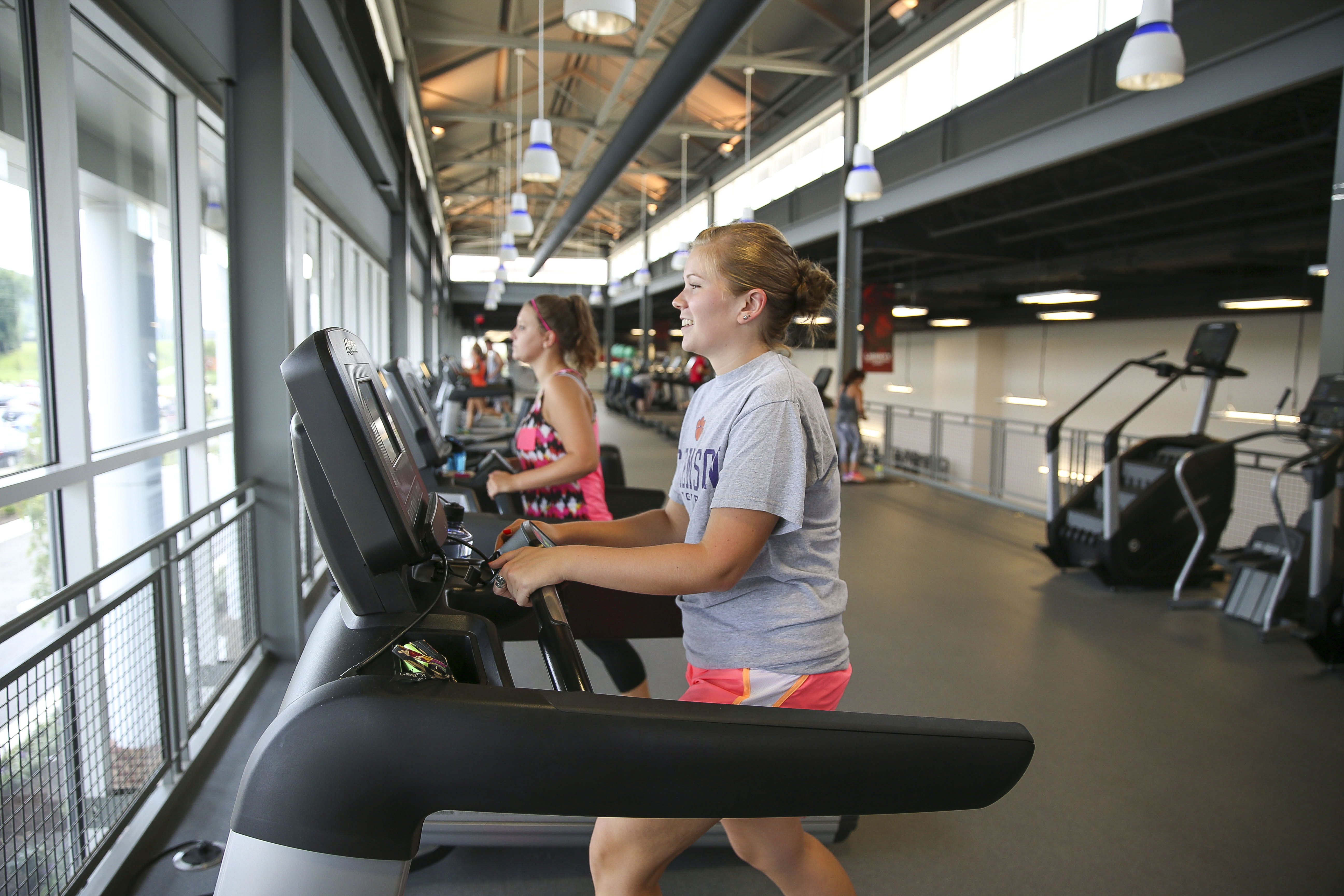
- Stay Physically Active: Regular exercise and a balanced diet are proven to help manage anxiety. Take advantage of university gyms or local parks to maintain a healthy routine.
Cyber Security and Scam Prevention
International students are often targeted by sophisticated phone and internet scams. Be wary of any caller claiming to be from the "Home Office," "Immigration," or your bank.
- Never Give Personal Details: Government agencies or banks will never ask for your PIN, password, or immediate bank transfers over the phone or through WhatsApp.
- Verify the Source: If you receive a suspicious call, hang up and contact your university's international office or call the official number of the institution the caller claimed to be from.
- Public Wi-Fi: Avoid accessing sensitive information like bank accounts on public Wi-Fi without using a VPN (Virtual Private Network).
Practical Health Checklist Before You Depart
- Medical Check up: Visit your family doctor in Malaysia for a full check up and ensure your routine vaccinations (like MMR and Hepatitis B) are up to date.
- Prescription Records: If you take regular medication, bring a letter from your doctor explaining your condition and the generic names of the drugs.
- Dental and Optical: Dental and eye care can be more expensive abroad. It is wise to have your teeth checked and get a spare pair of glasses before leaving Malaysia.
By staying informed and taking these simple precautions, you can focus on making the most of your studies and enjoying the cultural experiences your host country has to offer.